Made in Maine: Avery Galleries, New York

March 19th to April 30th, 2026
  • The wilds of Maine have provided ample artistic inspiration for American artists since Thomas Cole first visited Mount Desert Island in 1845 to paint Frenchman’s Bay. The pristine nature, gorgeous and untamed, gave artists endless subject matter to explore and experiment with form and style while simultaneously communing with the natural world. The artists included in this exhibition all experience Maine differently– each creating an expression and sense of place that is uniquely their own and yet distinctly Maine. 
     
  • Northern Blue Flags or Iris Versicolor are native to the wetlands of Maine. The vibrant purple-blue flowers bloom from May...
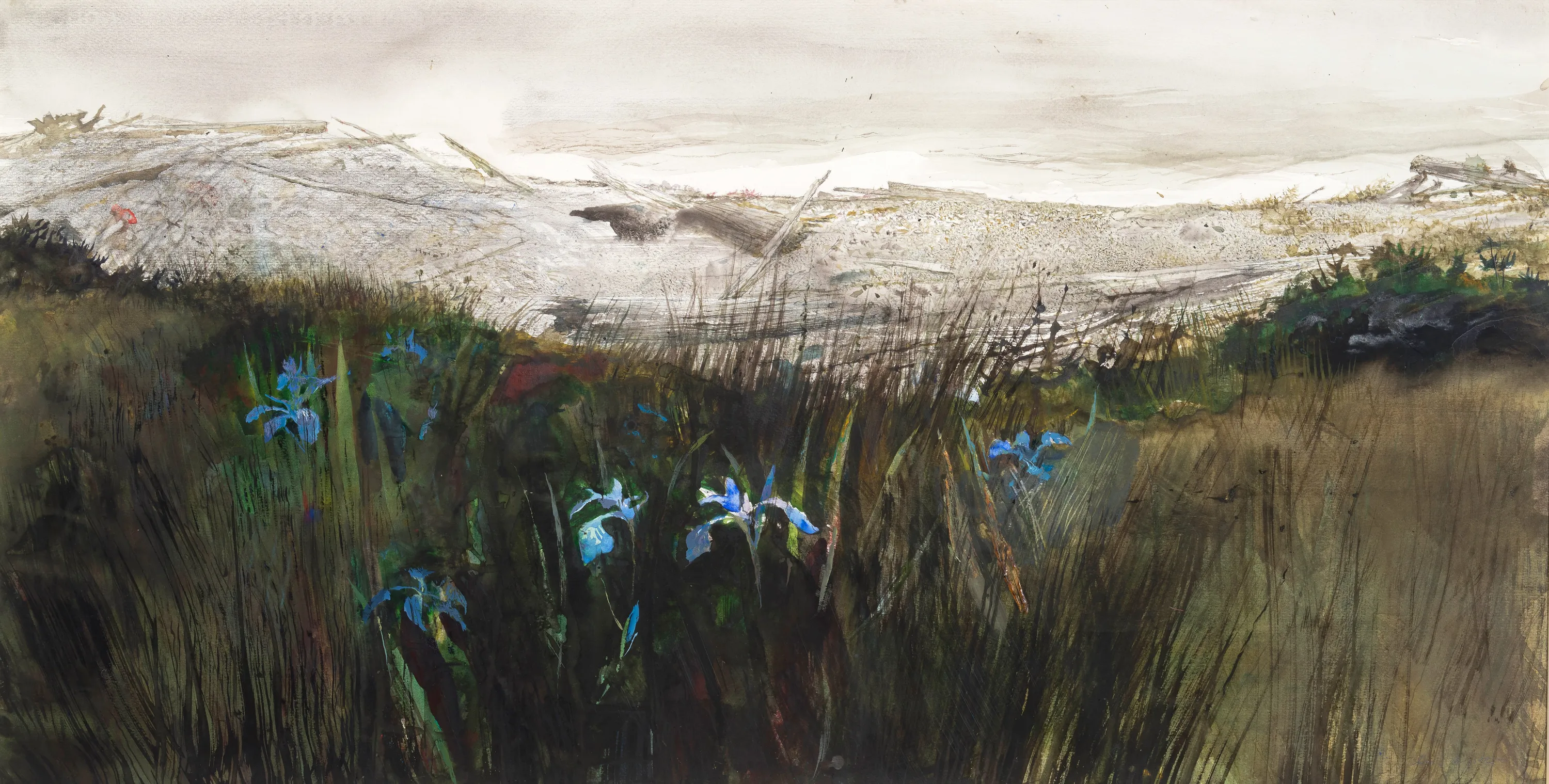
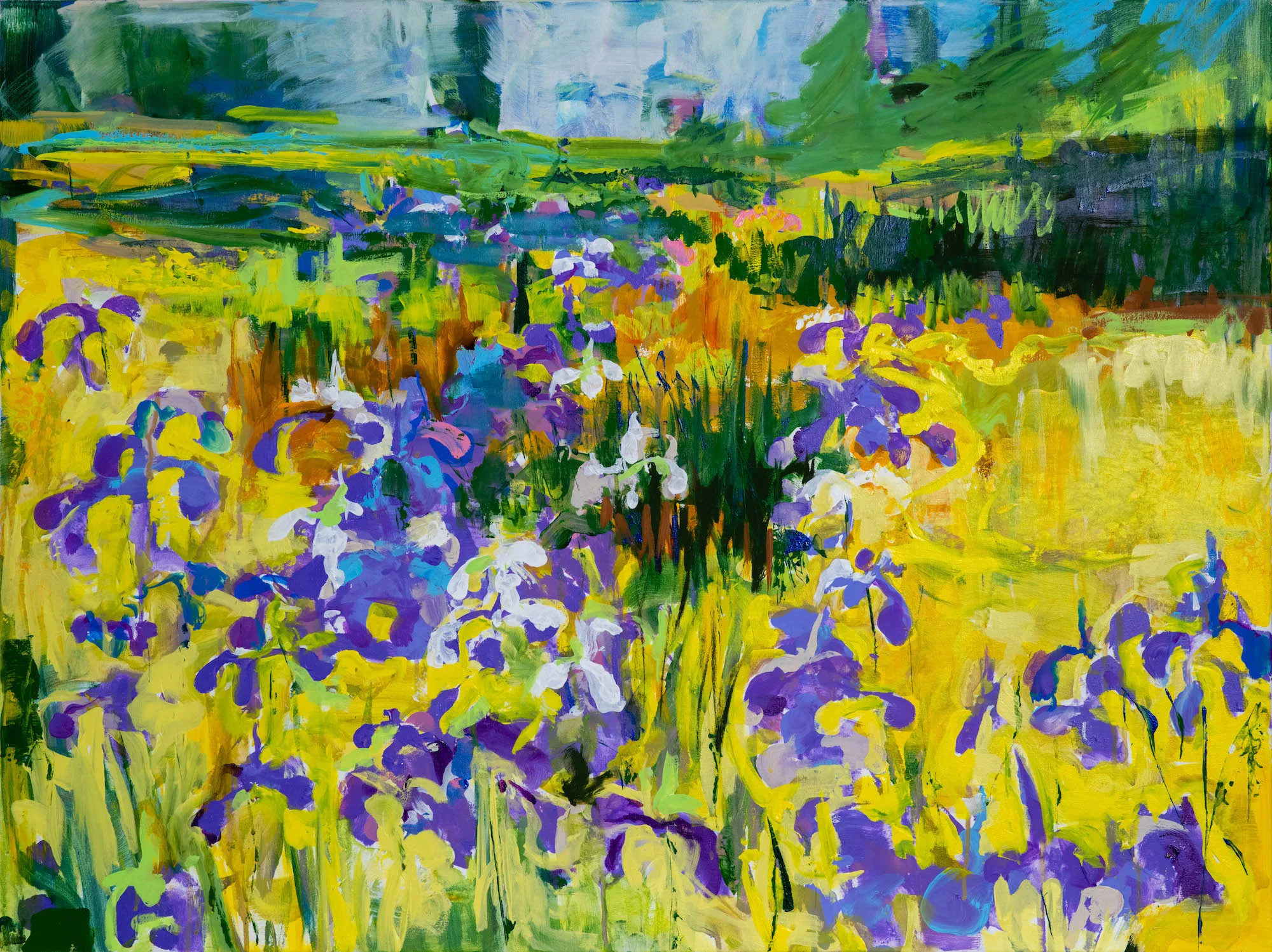
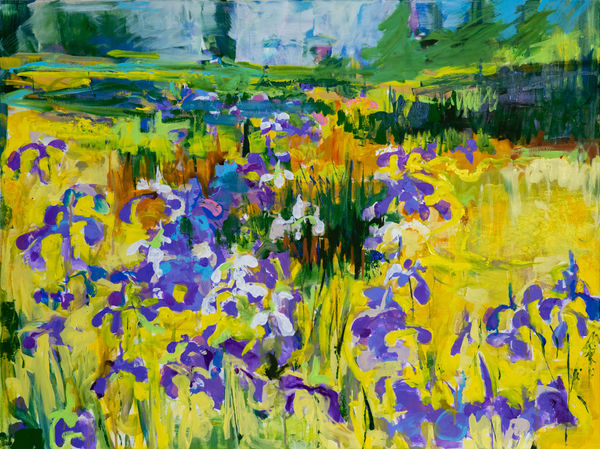
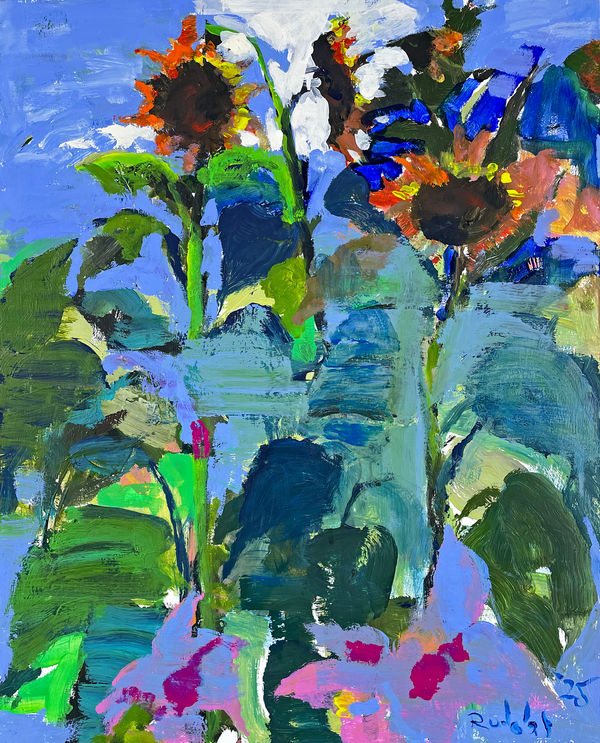
    Northern Blue Flags or Iris Versicolor are native to the wetlands of Maine. The vibrant purple-blue flowers bloom from May to July and are synonymous with summer. Beautiful and hardy, they grow wild in open meadows and marshes, punctuating the landscape with flashes of bright color. Here two very different artists take the blue flags as their subject and capture their personal experience with the Maine landscape. Wyeth’s painting is quiet, poetic, even mystical, as the blue flags lead the viewer into the white fog of the distant beach. Rudolph’s painting is riot of color, painted confidently and boldly — a joyful ode to the glory of Maine in summer.
  • Emily Brown (b. 1943)

    Raised in rural Chester County in a family devoted to medicine and mental health, Emily Brown has long drawn from...
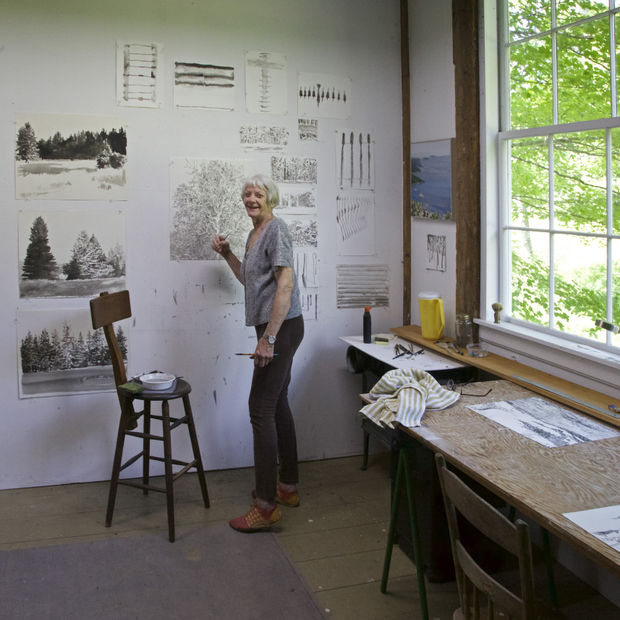
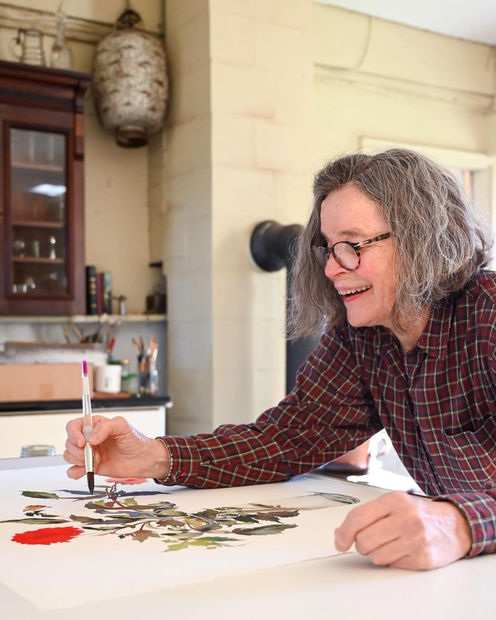
    The artist in her studio, Montville, Maine, 2021.

    Raised in rural Chester County in a family devoted to medicine and mental health, Emily Brown has long drawn from the natural landscape for personal renewal and visual imagery. Brown's practice began with small scale plein air oil paintings of the countryside of inland Maine and parts of Philadelphia. Her restless curiosity led to making larger paintings outdoors, some with multiple images or as diptychs or triptychs. With the acquisition of a studio she explored work in other materials and at larger scales, evolving an interactive practice of ink wash drawing. Her recent subjects include trees and sections of woods, details on the ground, and water surfaces. Moved by the transience of every living thing, she values the practice of looking hard at what is - and then partnering with the aqueous medium to convey a sense of the experience. 


    The artist has taught in many ways: inner city pre-school programs, middle school art at Baldwin, drawing at the University of the Arts, and painting and drawing at the Pennsylvania Academy of the Fine Arts. For 8 years she worked as costumer for the drama deptartment at Germantown Friends School. She and her husband, the photographer Will Brown, currently live and work in Garrison, New York.


    Her work is included in the collections of Alliance Capital, Tokyo, Japan; Bowdoin College Art Museum; The Bryn Mawr College Library; the Farnsworth Art Museum; The Free Library of Philadelphia; MacDowell; The James A. Michener Art Museum;  Museum of American Glass; Johns Hopkins University Hospital;  The Pennsylvania Academy of the Fine Arts; The Philadelphia Museum of Art; The Portland (Maine) Museum of Art; Princeton University Art Museum; Rutgers Center for Innovative Prints and Paper; The Shipley School; and the United States Embassy in Estana, Kajakhstan. 

  • Elizabeth Osborne (b. 1936)

    Elizabeth Osborne, a prominent figure in Philadelphia's art scene, has distinguished herself with her diverse explorations in painting. Born and...
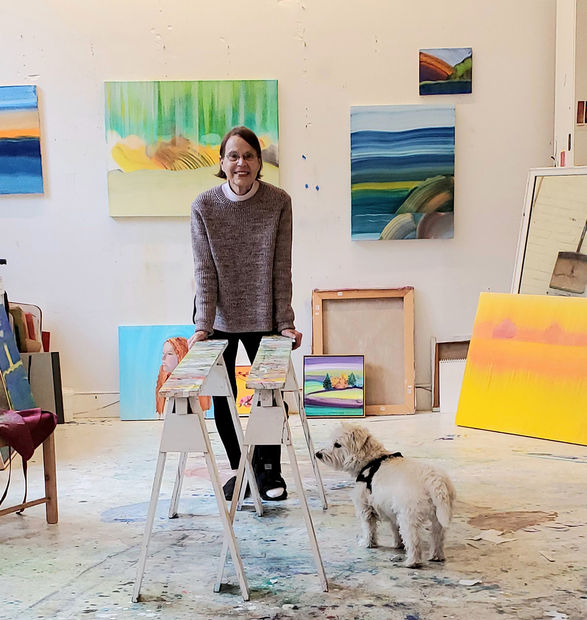
    The artist in her studio, May 2020. Photo courtesy of Locks Gallery, Philadelphia.

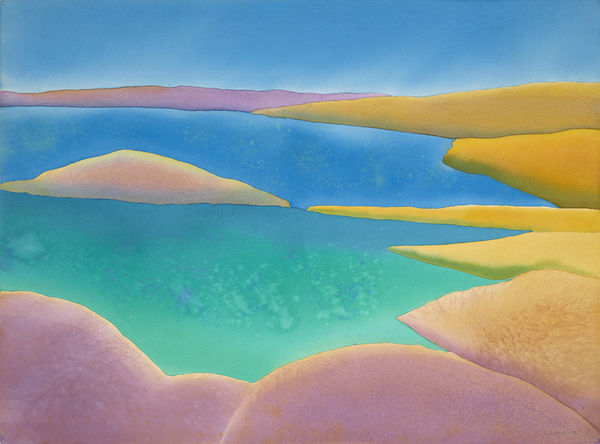
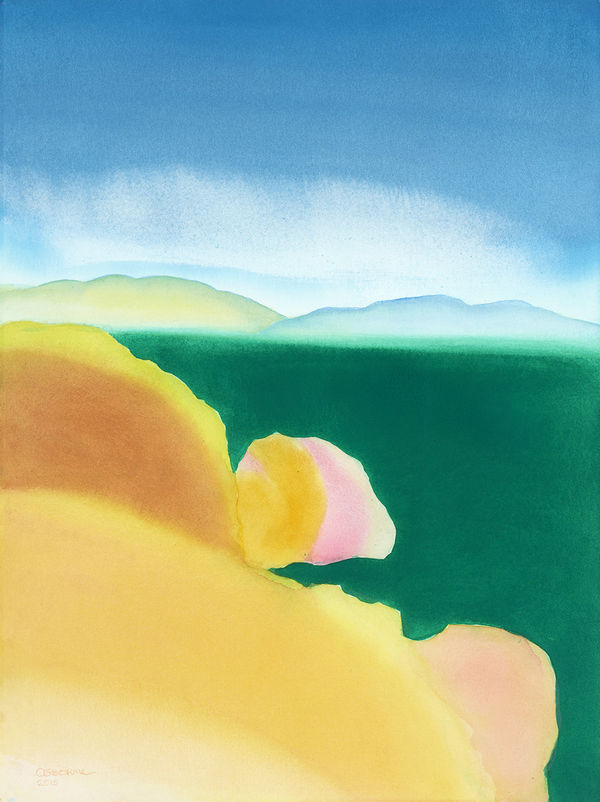
    Elizabeth Osborne, a prominent figure in Philadelphia's art scene, has distinguished herself with her diverse explorations in painting. Born and raised in Philadelphia, Osborne studied at Friends Central School, the Pennsylvania Academy of the Fine Arts (PAFA), and the University of Pennsylvania. Her figures often evoke themes of loss and longing, reflecting a deep connection to her personal experiences.


    Osborne's multi-decade career attests to a sustained interest in the possibilities of painting and a refusal to adhere to a particular style or theme. From the 1960s through the 1980s, Osborne worked in the tradition of her academic training, painting figurative nudes and still lifes that evoke the art of Giorgio Morandi. During the 1970s, Osborne created realist watercolors and boldly hued landscapes, and her experiments with color led to mostly abstract works in the 1990s and 2000s. Throughout her career, Osborne has balanced representation with abstraction, capturing both the tangible and the ephemeral. Her most recent works incorporate both figure and abstract elements, blending her past techniques with fresh explorations. 


    Osborne’s work is represented in several notable private and public collections, including the Delaware Art Museum, Wilmington, Delaware; the Minneapolis Institute of Art, Minneapolis, Minnesota; the Pennsylvania Academy of Fine Arts, Philadelphia, Pennsylvania; the Philadelphia Museum of Art, Philadelphia, Pennsylvania; and the James A. Michener Museum of Art, Doylestown, Pennsylvania

  • Peter Rudolph (b. 1946)

    Peter was born in New York in 1946. He received a BFA from the Tyler School of Art and an...
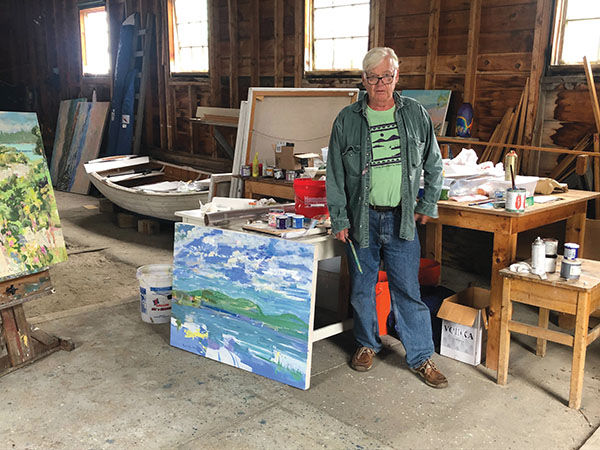
    The artist in his boathouse studio on Little Cranberry Island, Maine. Photo courtesy of Suzie McNamee.

    Peter was born in New York in 1946. He received a BFA from the Tyler School of Art and an MFA from the University of Pennsylvania. Peter taught at the Germantown Friends School in Philadelphia. Peter, when he is not painting, works as an art dealer in Philadelphia through the McClees Galleries. He specializes in European and early American Art, and his vast knowledge of art is evident in his work. Peter Rudolph spends his summers living and painting on Islesford, Maine and uses one of the boathouses along Sand Beach Road as his studio.


    Rudolph works only from nature and prefers to paint directly outdoors. As quoted in an article on the artist by Carl Little published in "Art New England," Rudolph believes that "It seems antitheticall to make a studio painting when you live on an island. To me, it's really all about painting, not about picture making." Little elaborates further that Rudolph "likes seeing what he's doing and making 'instant decisions,' which result in canvases that have an expressionist immediacy and energy. 


  • Susan Headley Van Campen (b. 1951)

    Susan Van Campen’s plein-air oil paintings are painted with the confident brushwork of a watercolorist, achieving bold impressions of Maine’s...
    The artist in her studio, Lincolnville, Maine. Photo courtesy of Dowling Walsh Gallery.

    Susan Van Campen’s plein-air oil paintings are painted with the confident brushwork of a watercolorist, achieving bold impressions of Maine’s landscapes. Her small impressions capture big moments – rapidly changing weather, vast landscapes, dramatic shadows, and heavy clouds.


    Susan Van Campen received a Certificate from the Pennsylvania Academy of the Fine Arts in Philadelphia, PA. She has had solo exhibitions at Hirschl & Adler Modern, New York; The Pennsylvania Academy of the Fine Arts, Philadelphia; Clark Gallery, Lincoln, Massachusetts; and Gross McCleaf Gallery, Philadelphia, among others. Her works are held in numerous public collections both nationally and internationally.


    “I like to paint what I see that strikes me at the moment. Things that don’t last long – like flowers and skies, water, the sunrise, clouds, approaching storms, a dandelion, an open tulip just before the petals fall off – a poppy bud before it bursts … as simple as possible, without laboring. I am trying to capture the color and shape the first time, that’s all.”

  • Andrew Wyeth (1917–2009)

    Andrew Newell Wyeth was born in the idyllic Pennsylvania farming village of Chadds Ford. His father, N.C. Wyeth, was a...
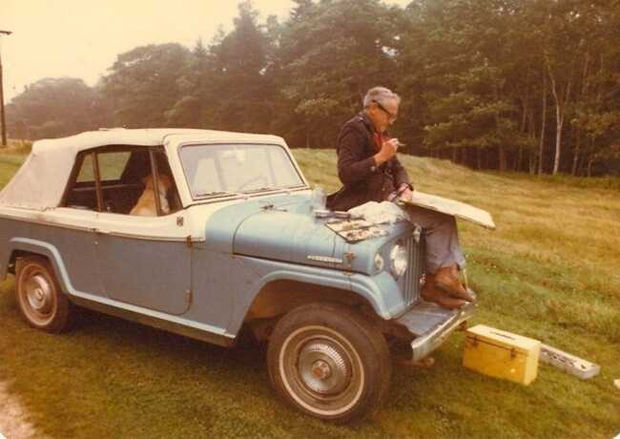
    The artist painting in a field in Cushing, Maine, 1977.

    Andrew Newell Wyeth was born in the idyllic Pennsylvania farming village of Chadds Ford.  His father, N.C. Wyeth, was a well-known mural painter, and Andrew grew up in an environment that encouraged creativity.  The young Wyeth was a sickly child, who had to be home schooled.  He recalled: “I played alone, and wandered a great deal over the hills, painting watercolors that literally exploded, slapdash over my pages, and drew in pencil or pen and ink in a wild and undisciplined manner.”


    Until 1942 Wyeth worked in watercolor, but in that year his brother-in-law, Peter Hurd, introduced him to egg tempera.  This medium, together with the dry brush method he often employed, forced Wyeth to slow down the execution of a painting and enabled him to achieve the superb textural effects that distinguish his work.  A few years later in 1945, Wyeth’s father died in a car accident, which Wyeth states was a career-defining moment.  To that point, he felt that he hadn’t made a real contribution to the art world, and his father’s death created a resolve in him to do something important.  From that point forward, Wyeth’s paintings began to exhibit more poignant emotion.  It is also at this time when Wyeth started to paint people in earnest.  Most of his portraits are of single figures, which in their reflective solitude transmit a sense of loneliness.  It is these meditative paintings that came to define mature Wyeth’s style.  


    Wyeth’s work is included in the most prestigious American museums as well as those around the world.  His resolve to paint what was most important to him and not cow to the prevailing taste for abstraction earned him a badge of courage and a reputation as one of America’s most famous and successful living artists.